What a Chimney Rebuild Actually Involves: A West Bloomfield Project
When a chimney is only losing mortar, tuckpointing solves it. When the brick is spalling across multiple courses, the stack has shifted, or water has been getting in long enough to damage the structure, a rebuild is the honest answer. A recent West Bloomfield chimney rebuild is a good example of what that work actually looks like, and why the details matter more than most homeowners realize.
What we found
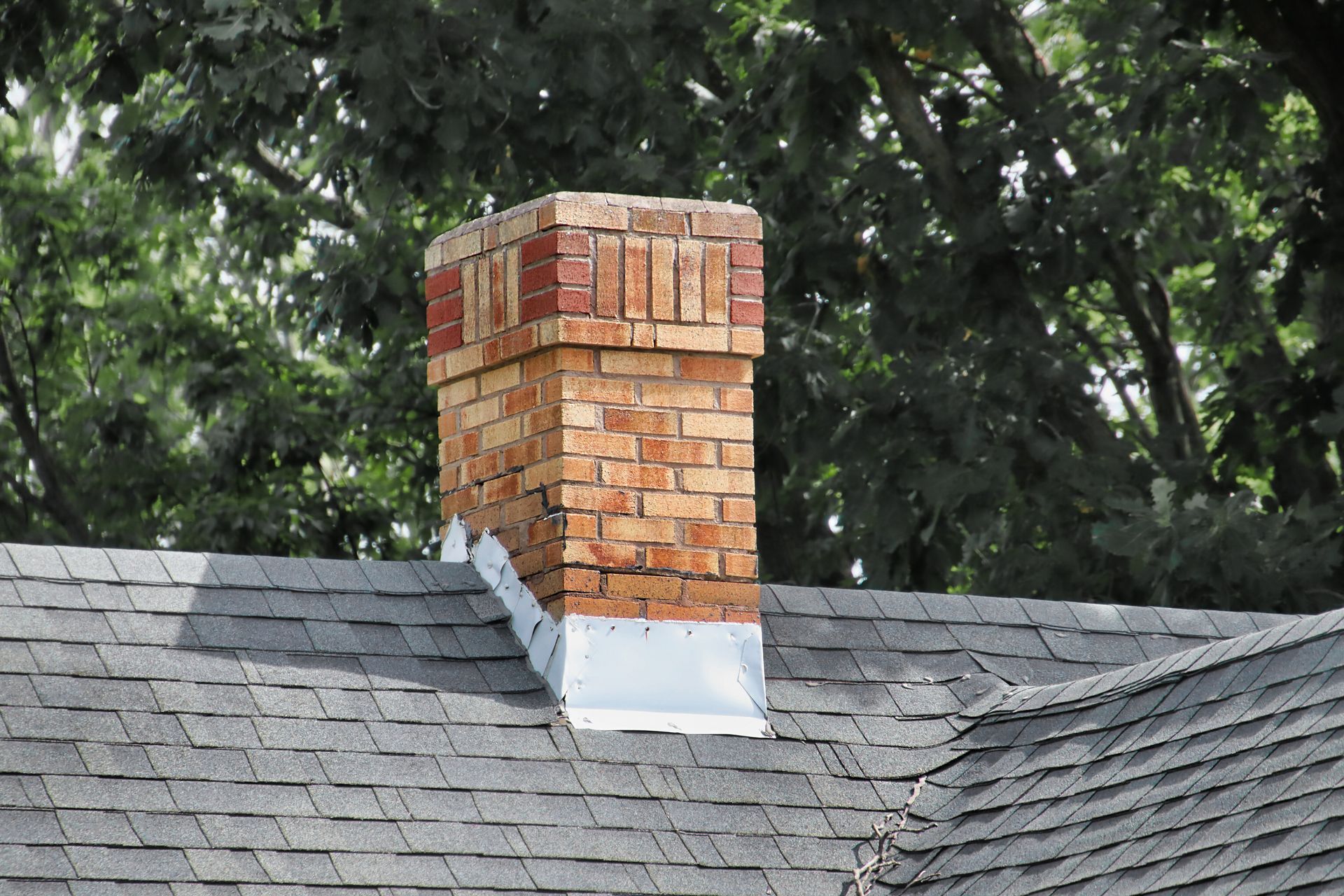
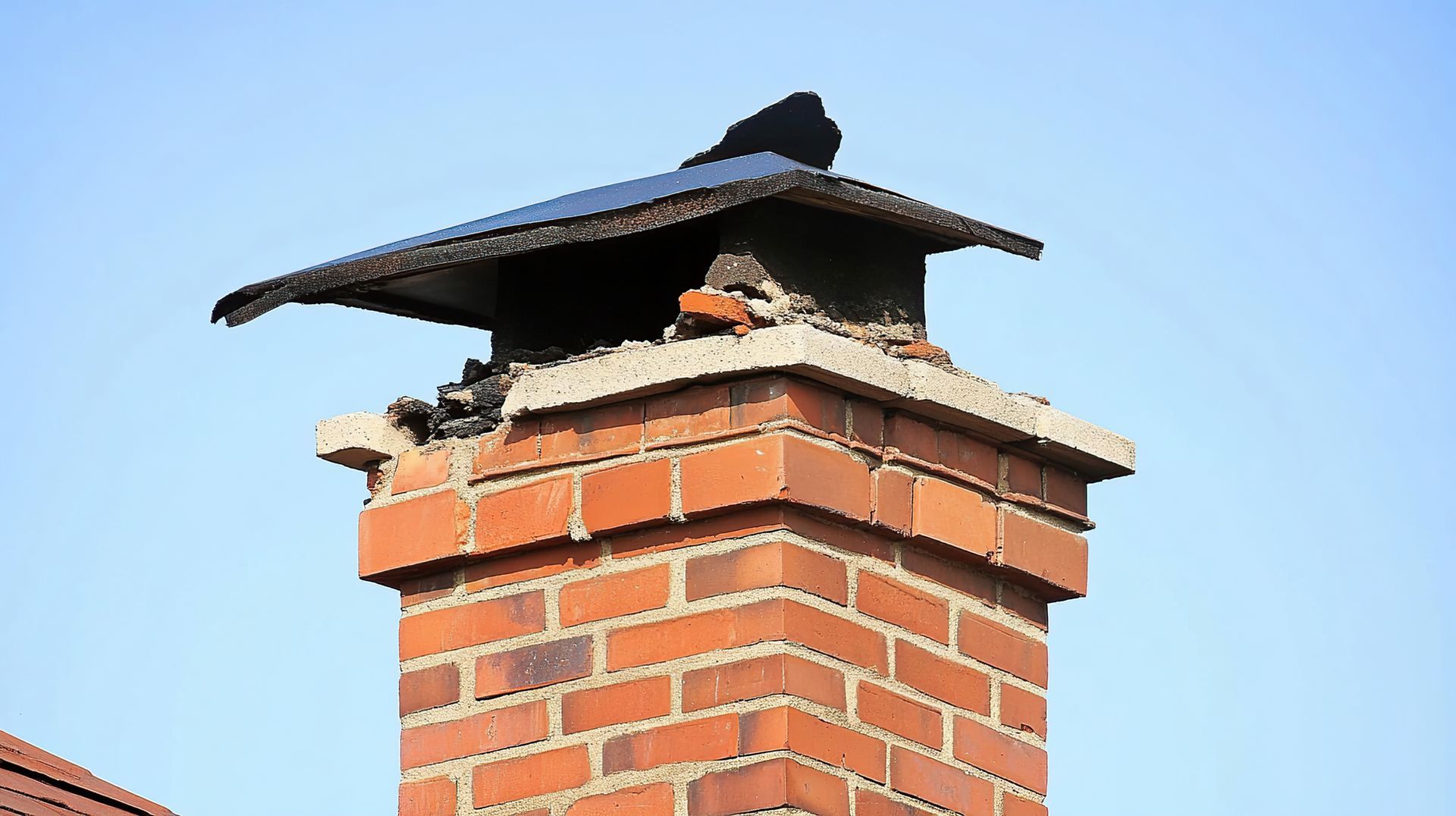
The homeowner had two chimneys that were rapidly failing and leaking. From the ground they looked tired. Up close, the mortar had gone, the brick had started breaking down near the top, and water was already moving into the structure. At that stage, repointing would have been money spent on chimneys that were going to need rebuilding within a season or two anyway. We walk homeowners through that call before quoting, and if you want the full framework we use, our guide to choosing between a repair and a rebuild lays it out.
Down to the roofline, then back up
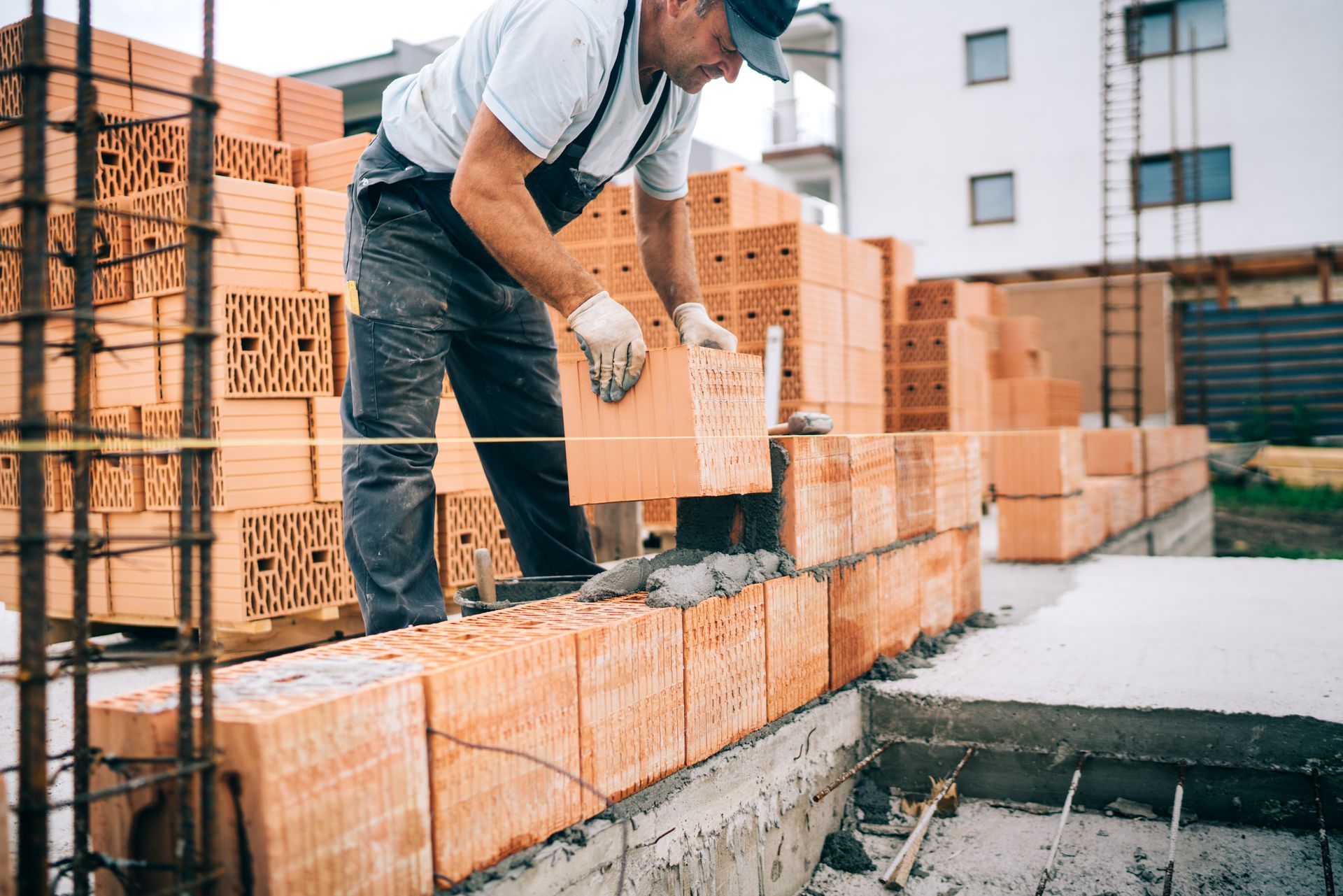
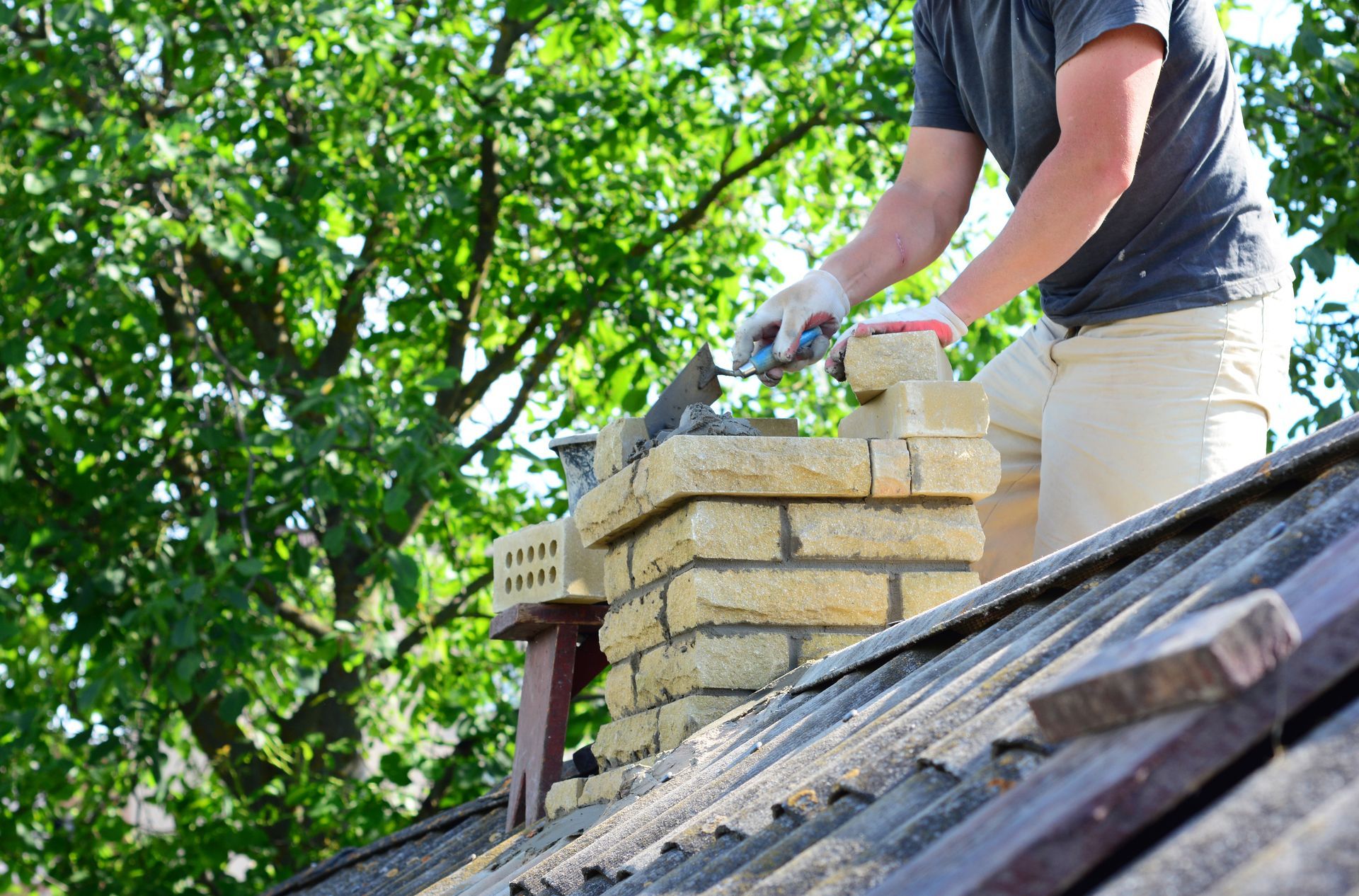
We took both chimneys down to the roofline and rebuilt them from the roof up. Rebuilding from the roofline is important because that is where a chimney takes the most weather and where the failure almost always starts. Building back up from a sound base means the new work is not sitting on the same compromised brick that failed the first time. We matched the new brick to the home so the rebuilt chimneys did not read as a patch against the rest of the exterior.
The crown and the detail that prevents the next leak
We poured new crowns in fiber-enhanced concrete rather than a thin mortar wash. The crown is the concrete surface at the top of the chimney, and its whole job is to shed water away from the brick and the flue. A thin or cracked crown is one of the most common reasons a chimney starts leaking again a few years after a cheap repair.
The bigger change on this job was the top design. The original chimneys had a step-in top, where the crown sits flush and water runs straight down the brick face. We rebuilt them with a proper overhanging drip edge, so water is thrown clear of the brick instead of running down it. That single detail is often the difference between a rebuild that lasts for decades and one that quietly starts failing again, because the freeze-thaw damage that destroys Michigan chimneys begins with water sitting on and soaking into the brick. Finally, we installed new flashing where the chimney meets the roof, which is the other place leaks tend to start.
Why matching mortar matters as much as matching brick
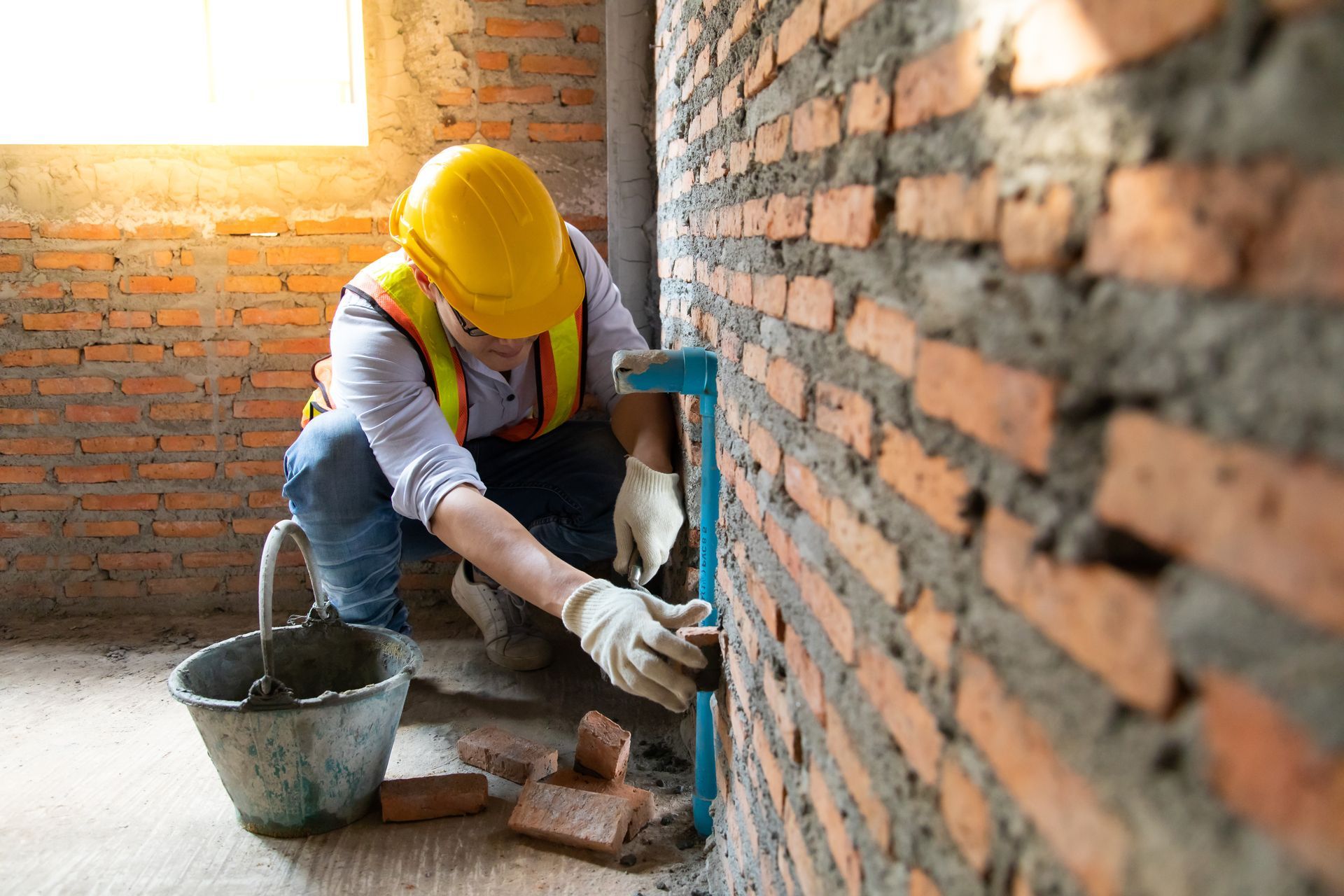
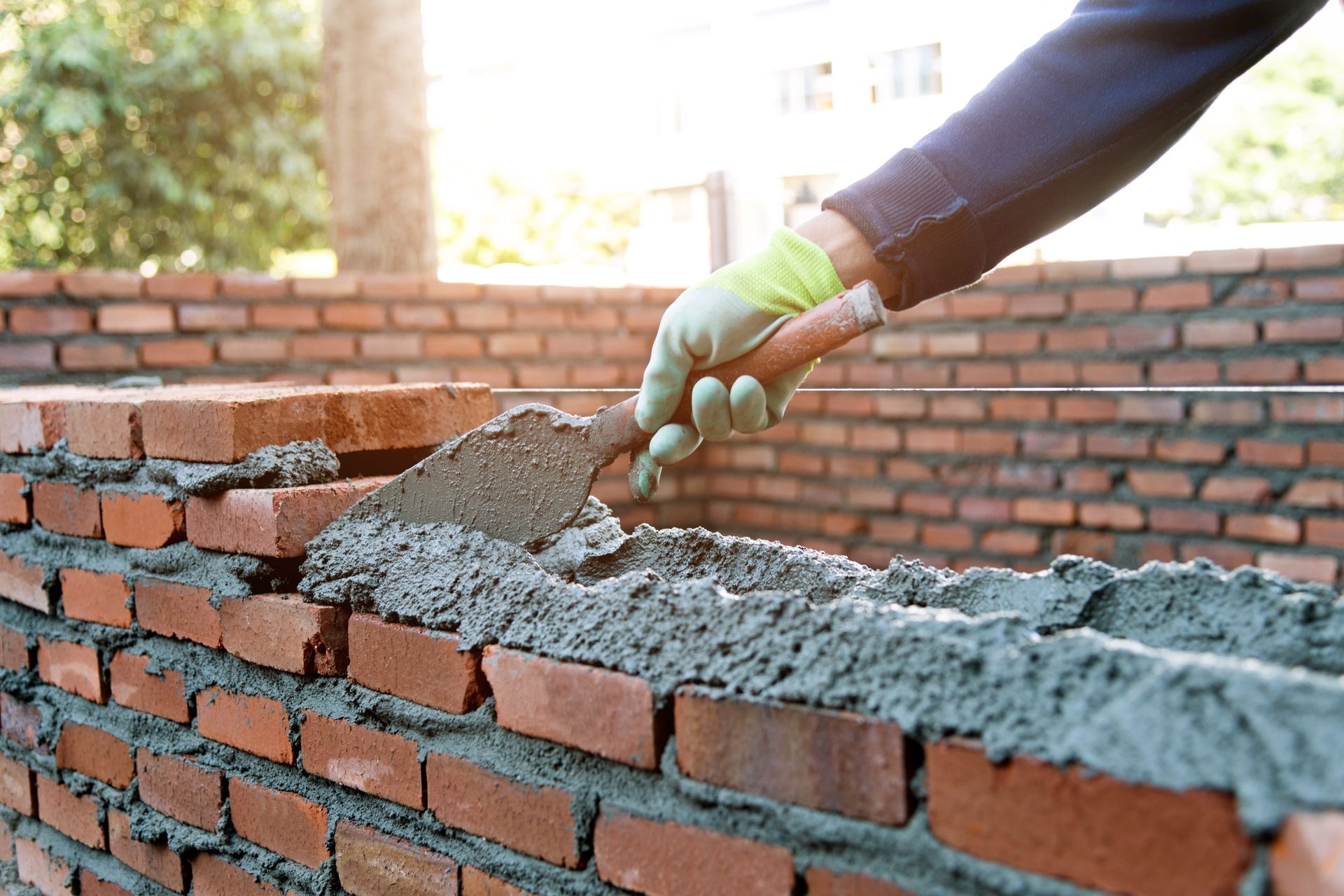
On any rebuild, the mortar has to be matched to the brick, not just chosen off a shelf. Mortar that is harder than the surrounding brick forces the brick to crack instead of the joint, which turns a solved problem into an expensive one a few winters later. We go deeper into this in our post on why mortar matching matters, but the short version is that the joint should always be the sacrificial part, never the brick.
What it means for your chimney
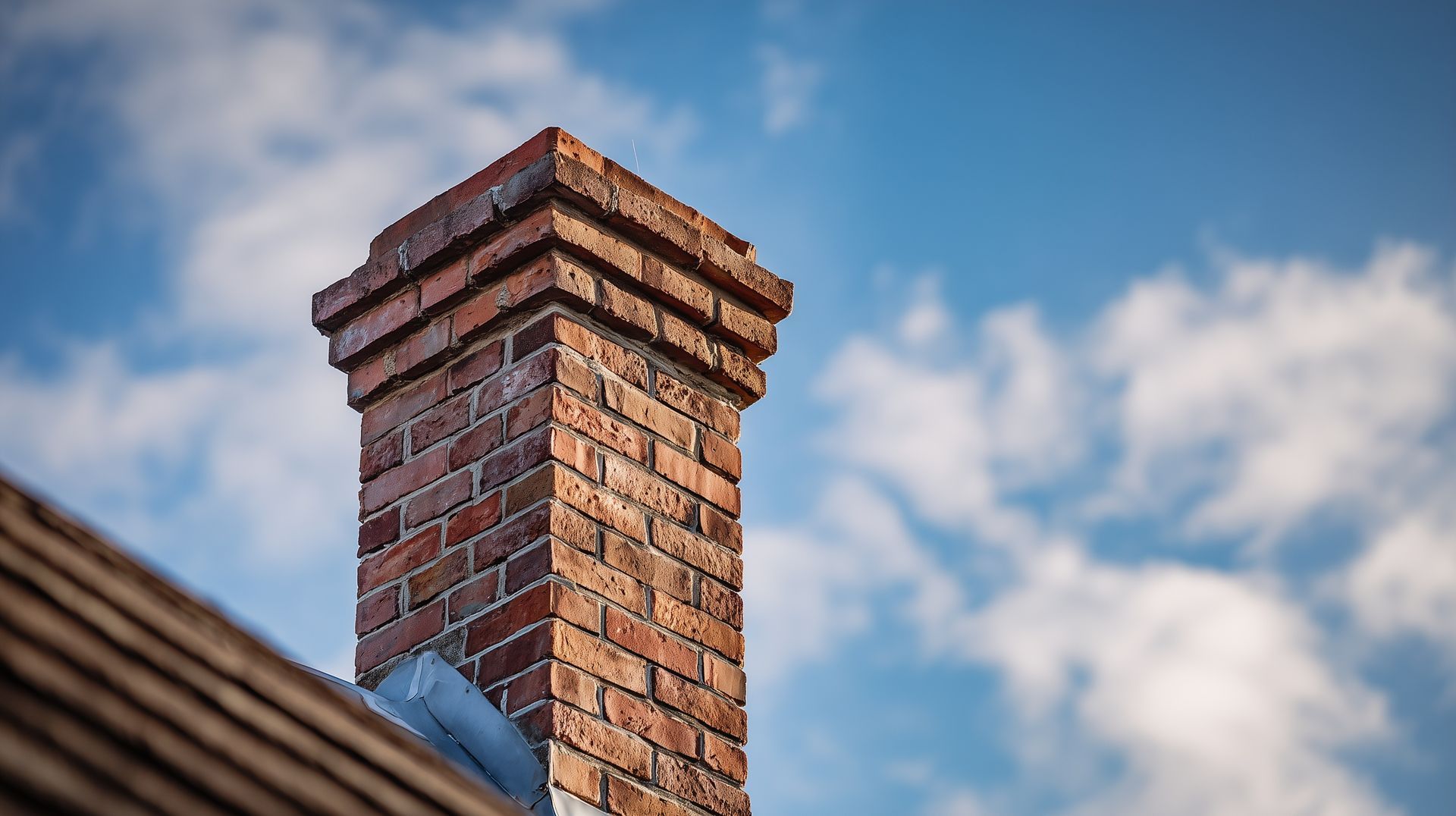
If your chimney is staining white, dropping mortar, showing broken brick near the top, or leaking inside near the fireplace, those are the signs that put a chimney on the rebuild path if they are ignored long enough. Caught early, most chimneys need repointing, not a rebuild. Caught late, a rebuild done correctly, from the roofline up, with a fiber-enhanced crown and a real drip edge, will outlast the original. You can see the full range of what we handle on our chimney repair and rebuild page.
Brickheads Masonry rebuilds chimneys across West Bloomfield and Oakland County with our own licensed crew, never a subcontractor. Call
586-709-2365 or request a free inspection, and we will tell you honestly whether you are looking at a repair or a rebuild.