Protect Your Home's Structural Integrity: Why You Can't Ignore Chimney Damage
If you own a home in Bloomfield Hills, MI, your chimney takes a beating every single year. Michigan winters are harsh, the freeze-thaw cycle is relentless, and that combination does something slow and expensive to brick and mortar if it goes unchecked. Getting ahead of small problems with professional chimney repair services is not just good maintenance, it is one of the smartest investments you can make in your home.
At Brickheads Masonry & Concrete Specialists, we have been restoring Michigan chimneys since 2006. Our team has seen firsthand what happens when a small crack gets ignored for one season too many. This post will walk you through what to watch for, what the damage actually costs, and why early action saves Bloomfield Hills homeowners thousands of dollars.
What Michigan's Climate Does to Your Chimney
Michigan does not have a forgiving climate for masonry. During a typical winter in the greater Bloomfield Hills area, temperatures swing above and below freezing dozens of times between November and March. Every time water seeps into a small crack and then freezes, it expands and forces that crack wider. This process, called freeze-thaw cycling, is the single biggest enemy of chimney masonry in our region.
What starts as a hairline crack in the mortar joints can open up over one or two seasons and allow water to penetrate deep into the chimney structure. Once that happens, homeowners deal with a chain of problems that gets more expensive at every step.
Water intrusion is the first major consequence. Water that gets past deteriorating mortar or cracked brick does not just stay in the chimney. It travels. It can soak into the surrounding framing, damage the firebox, and work its way into interior walls. Left long enough, that moisture becomes a mold problem inside your home, which carries its own remediation costs completely separate from the masonry repair.
Fire hazards are the risk that concerns us most. A chimney with cracked or deteriorating masonry is a chimney that cannot do its job safely. The flue liner and the structural integrity of the chimney itself are what keep combustion gases and heat separated from your home's framing. When mortar joints fail and bricks begin to shift, that separation is compromised. This is not a theoretical concern. It is one of the leading causes of house fires related to fireplaces and wood-burning systems.
For a deeper look at how we handle
chimney repairs and rebuilding, including full structural assessments, visit our dedicated chimney service page.
Small Fix vs. Full Rebuild: Understanding the Cost Gap
One of the most common questions we hear from Bloomfield Hills homeowners is some version of: "Is it really that serious?" The honest answer is that it depends entirely on when you call.
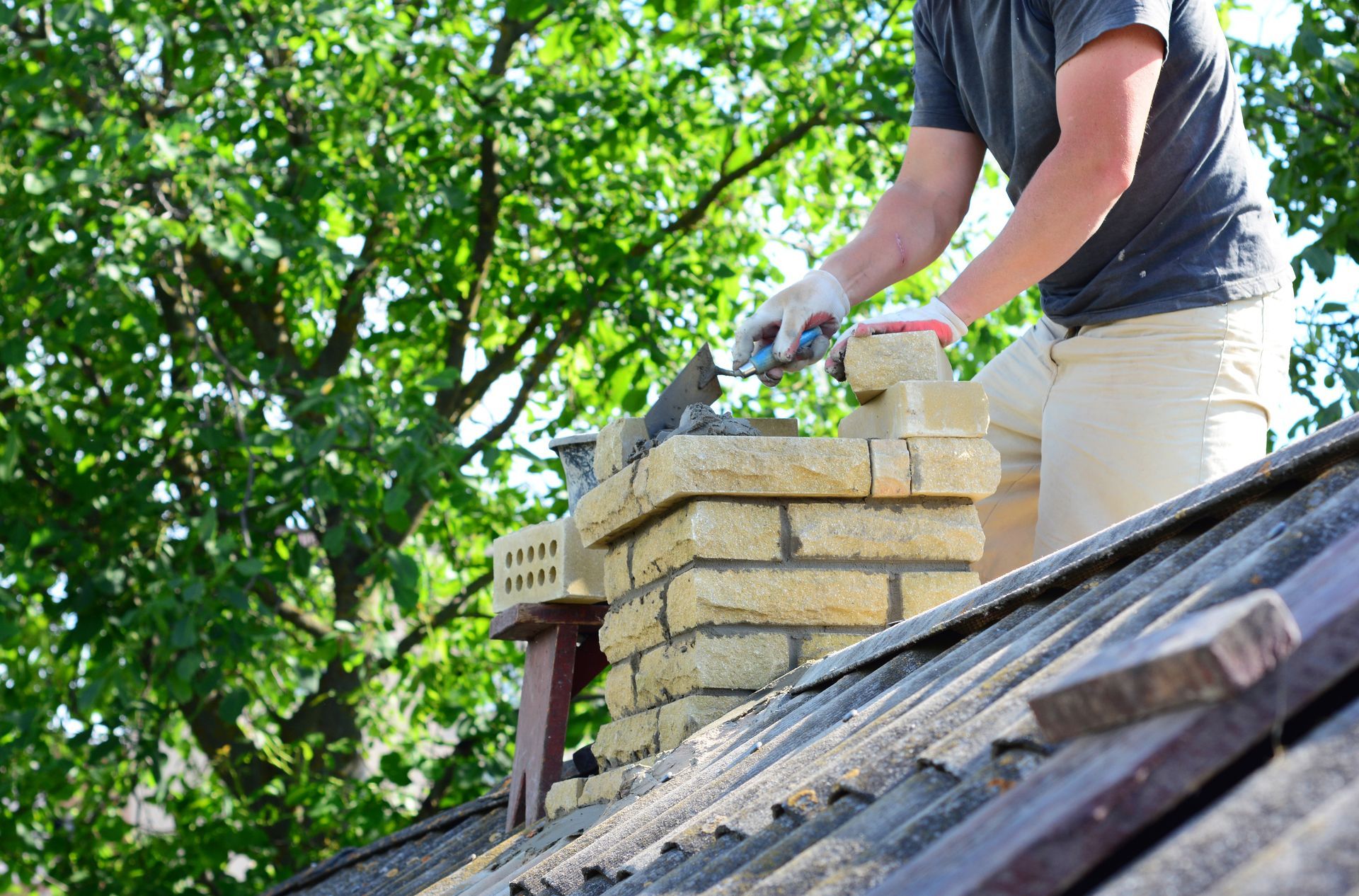
Catching a chimney problem early almost always means a targeted repair. Re-pointing deteriorated mortar, sealing a small crack, or replacing a few damaged bricks costs a fraction of what a full chimney rebuild runs. Early-stage chimney repair services are straightforward jobs for an experienced masonry crew. The work is measured in hours, not days.
Waiting changes that math dramatically. When mortar joints fail across a large section of the chimney, when water has been working into the structure for multiple seasons, and when bricks begin to loosen and shift, you are no longer looking at a repair. You are looking at a partial or complete rebuild. That is a major structural project, and the cost reflects it.
The comparison is not meant to alarm anyone. It is just the reality of masonry work. Brick and mortar are durable materials, but they do require periodic attention, especially in a climate like ours. The homeowners who call us early are the ones who spend the least.
We serve the entire Bloomfield Hills and
Bloomfield Township
area, and we offer free brick inspections so there is no cost to getting an honest assessment of where your chimney stands right now.
What Tuckpointing Does and Why It Matters for Chimney Longevity
If you have heard the term tuckpointing and are not entirely sure what it means, you are not alone. It is one of the most important services in masonry, and it is also one of the most misunderstood.
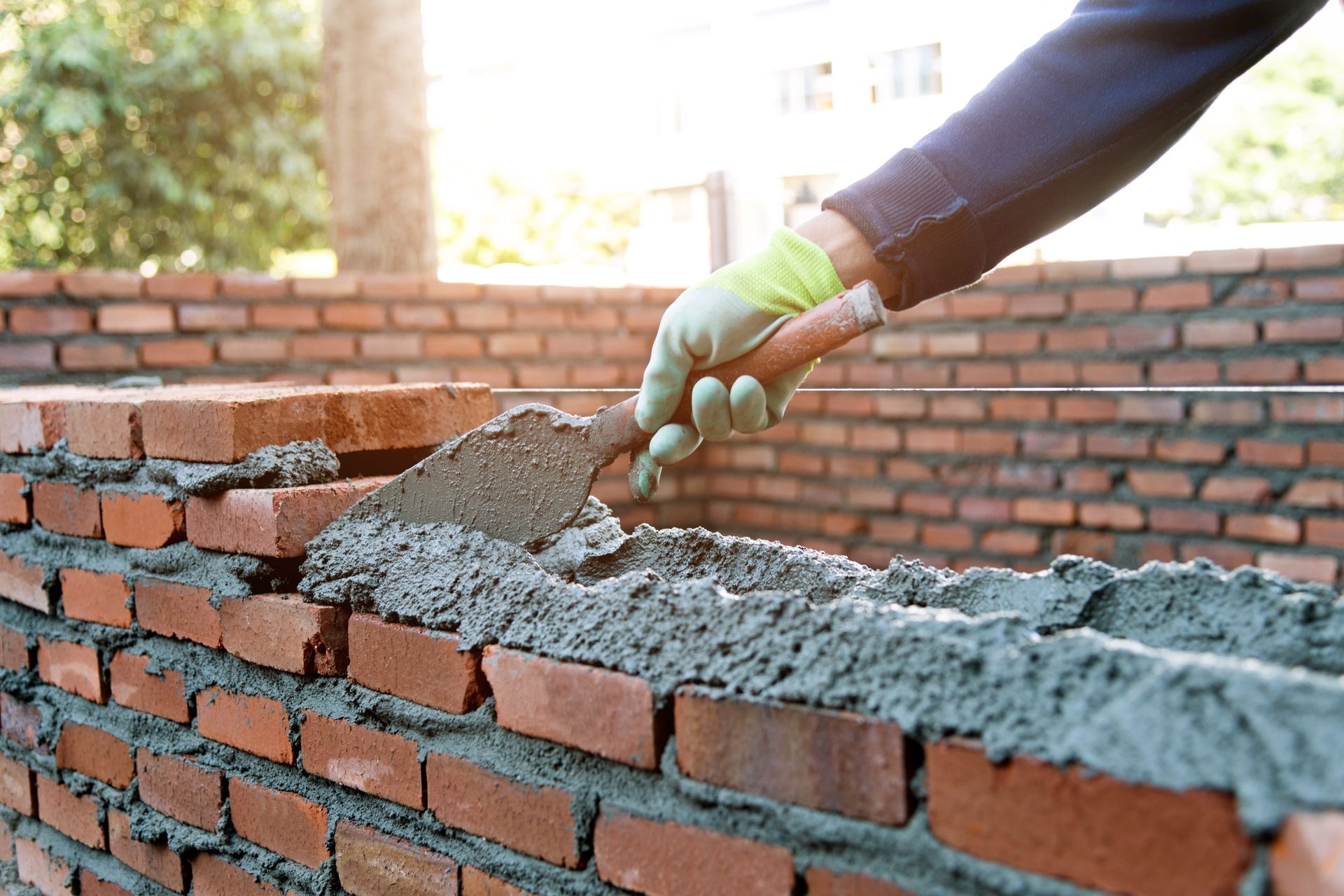
Tuckpointing is the process of removing deteriorated mortar from between the bricks and replacing it with fresh mortar. The mortar joints in a chimney are not decorative. They are structural. They hold the bricks in alignment, they prevent water from penetrating the chimney wall, and they provide the flexibility that keeps the structure intact through temperature changes.
When mortar joints break down and go unaddressed, the bricks lose their lateral support. Over time, bricks begin to shift and pull away from one another. In the masonry trade, we often describe the advanced stage of this process as bricks "spalling" or separating, sometimes called "delamination" in casual usage. Whatever you call it, the result is the same: bricks are no longer locked together as a unit, and the chimney's structural integrity is compromised from the inside out.
Professional tuckpointing and brick repair stops that process. When our crew performs tuckpointing on a chimney in Sterling Heights or across the Bloomfield Hills area, we are not just patching a cosmetic issue. We are restoring the mortar joints to their original function and giving the chimney structure years of additional life.
Tuckpointing done at the right time prevents the kind of widespread brick movement that leads to total chimney failure. It is one of the clearest examples in our trade where a moderate investment made at the right moment eliminates a much larger cost down the road.
Signs Your Bloomfield Hills Chimney Needs Attention Now
You do not have to be a masonry professional to spot early warning signs. Here is what to look for:
Mortar that is crumbling or recessed. If you can see gaps between the bricks or the mortar feels soft and sandy when you press it, it is time to call for an inspection.
White staining on the chimney exterior. This is called efflorescence, and it is a sign that water is already moving through the masonry and carrying mineral deposits to the surface.
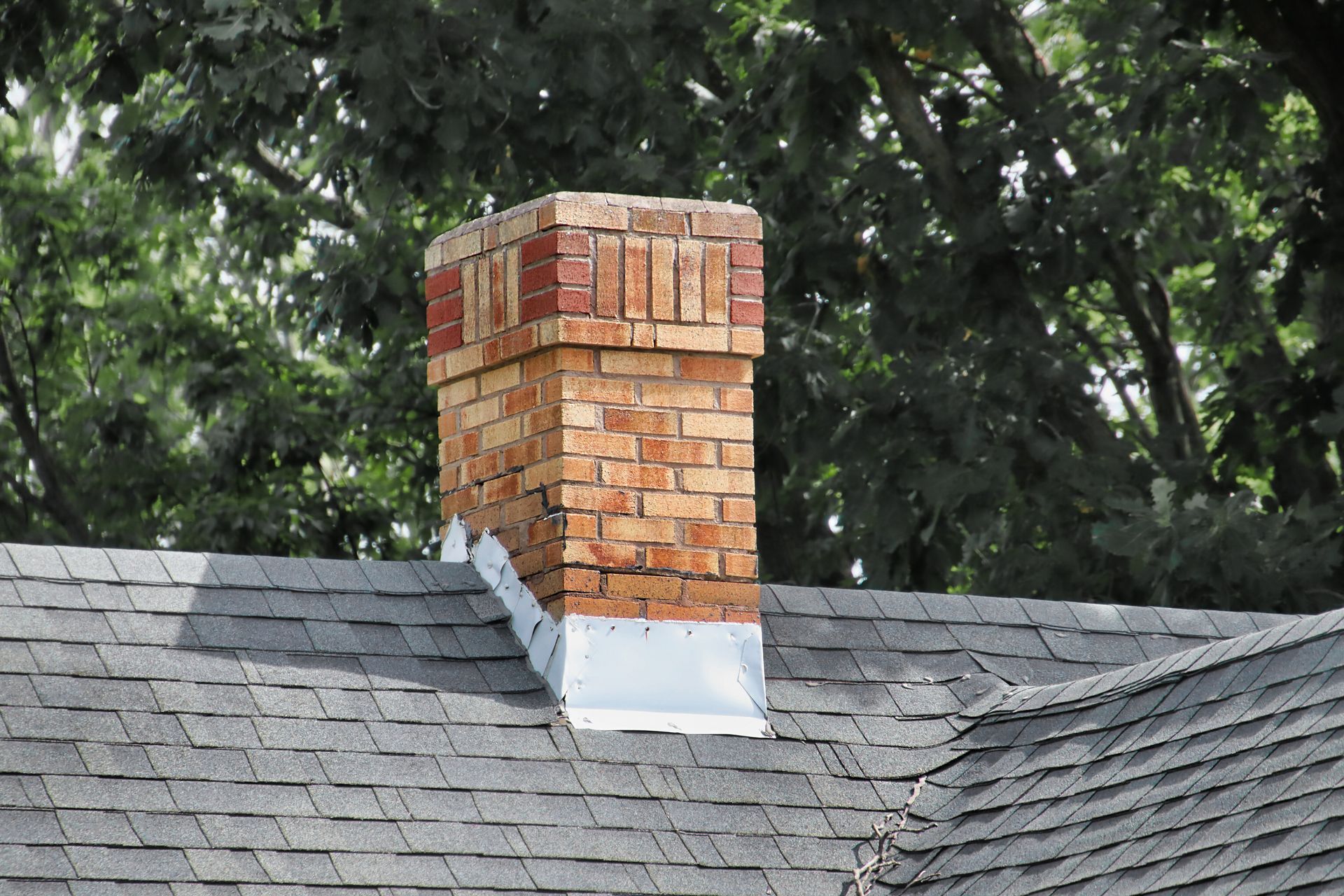
Loose or missing bricks near the top of the chimney. The cap and crown take the most direct weather exposure. Damage there almost always means water has already found a way in.
Cracks in the firebox or around the flue opening. Interior damage often signals that water intrusion has been happening for more than one season.
Rust stains around the damper or firebox. Rust means moisture is getting in from outside.
If you are seeing any of these signs at your Bloomfield Hills home, the best move is a professional inspection before the next heating season. We offer free inspections throughout our service area, including
Bloomfield Hills,
Bloomfield Township,
Royal Oak,
Troy, and
Sterling Heights.
Why Brickheads Masonry for Your Chimney Repair
Brickheads Masonry & Concrete Specialists has been family owned and locally operated since 2006. Our owner, Geno, personally sells and oversees every job we take on. We are fully licensed (Builder's License #262200027) and insured, and we warranty all of our work in writing.
We serve homeowners throughout Macomb, Oakland, and Wayne Counties, with deep roots in the Bloomfield Hills and greater Metro Detroit area. When you call us, you get a masonry team that knows Michigan's weather, knows the homes in this area, and knows what it takes to do the job right the first time.
Call us today at
586-709-2365 for your free brick inspection, or
contact us online to schedule a visit. Senior, military, and veteran discounts are available.