The Real Cost of Waiting on Masonry Repair
Almost every large masonry rebuild we do started as a small repair that someone put off. Brick and mortar do not fail all at once. Water finds a way in through a hairline crack or an open joint, freezes, expands, and works the damage a little deeper every winter until a repair that would have been inexpensive becomes a full rebuild. Understanding that timeline is the single best way to keep masonry costs down.
Water is the whole story
Michigan's freeze-thaw cycle is what turns small masonry problems into big ones. A joint opens, water gets in, and each freeze pushes the brick and mortar a little further apart. Left alone, that progresses from a few loose joints to spalling brick, then to structural movement, then to a section that has to come out and be rebuilt. The cost climbs at each stage because you are no longer paying to repair, you are paying to remove and replace.
Caught early: a repair that stays a repair
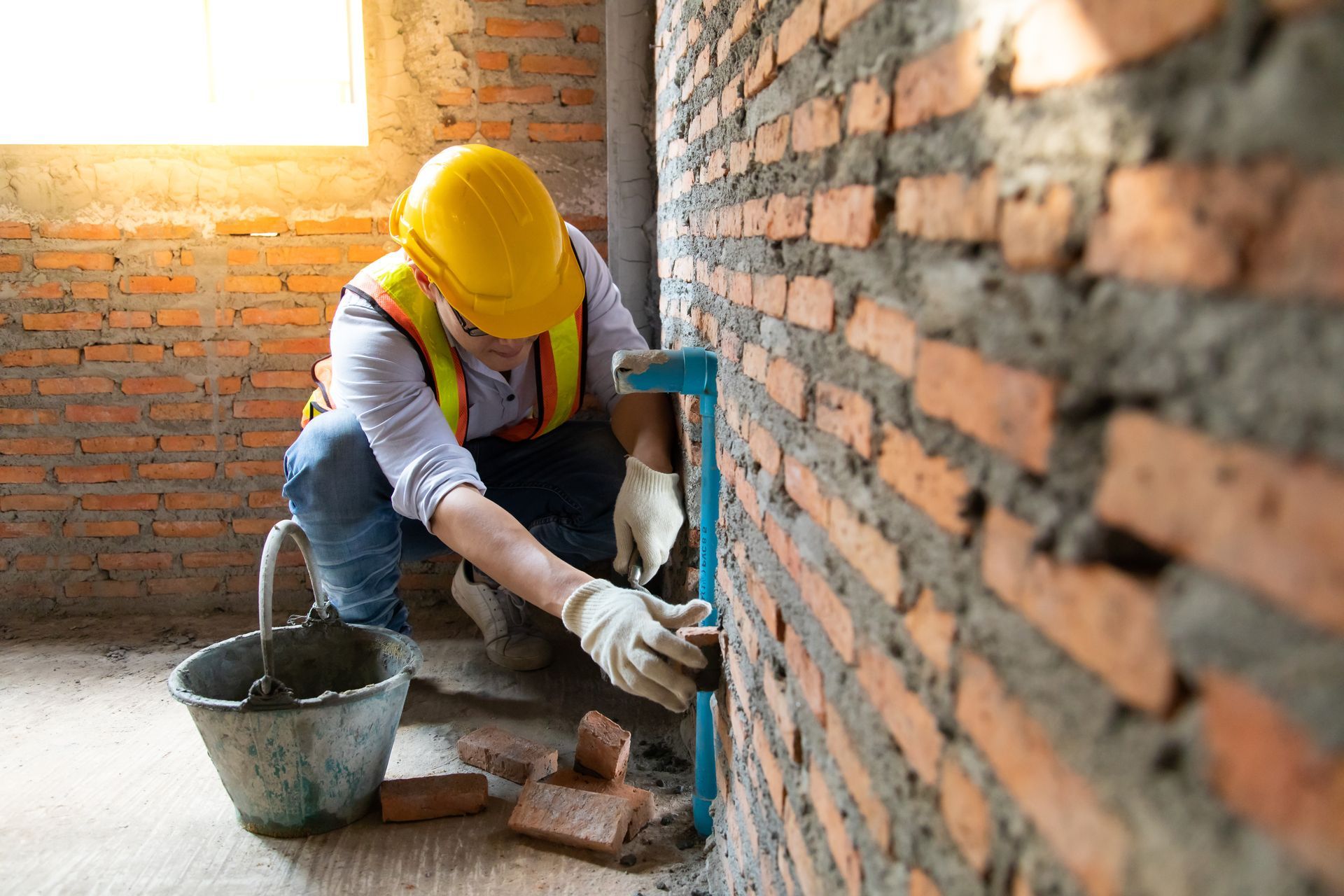
A New Baltimore project is a good example of catching it in time. The homeowner's front porch and paver system were showing wear but had not failed, so the work stayed small: we reset the front step, replaced the affected brick and mortar in the porch walls, and power washed the walkway before locking it back in with fresh polymeric jointing sand. That is maintenance, and doing it stopped the damage from spreading into the rest of the structure. This is the range most homeowners never reach because they wait, and it is handled through routine brick repair and tuckpointing.
Caught late: the same problem, now a rebuild
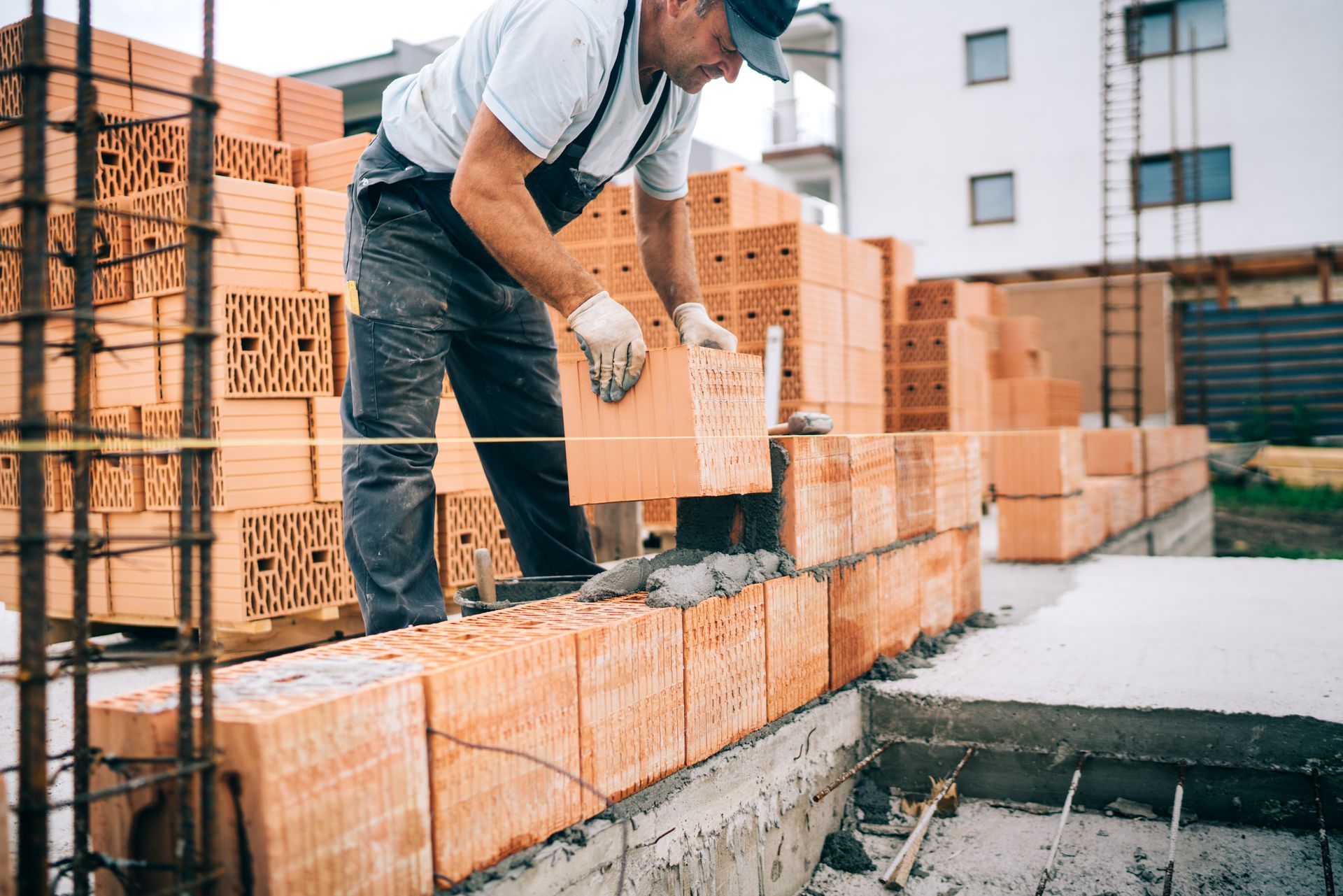
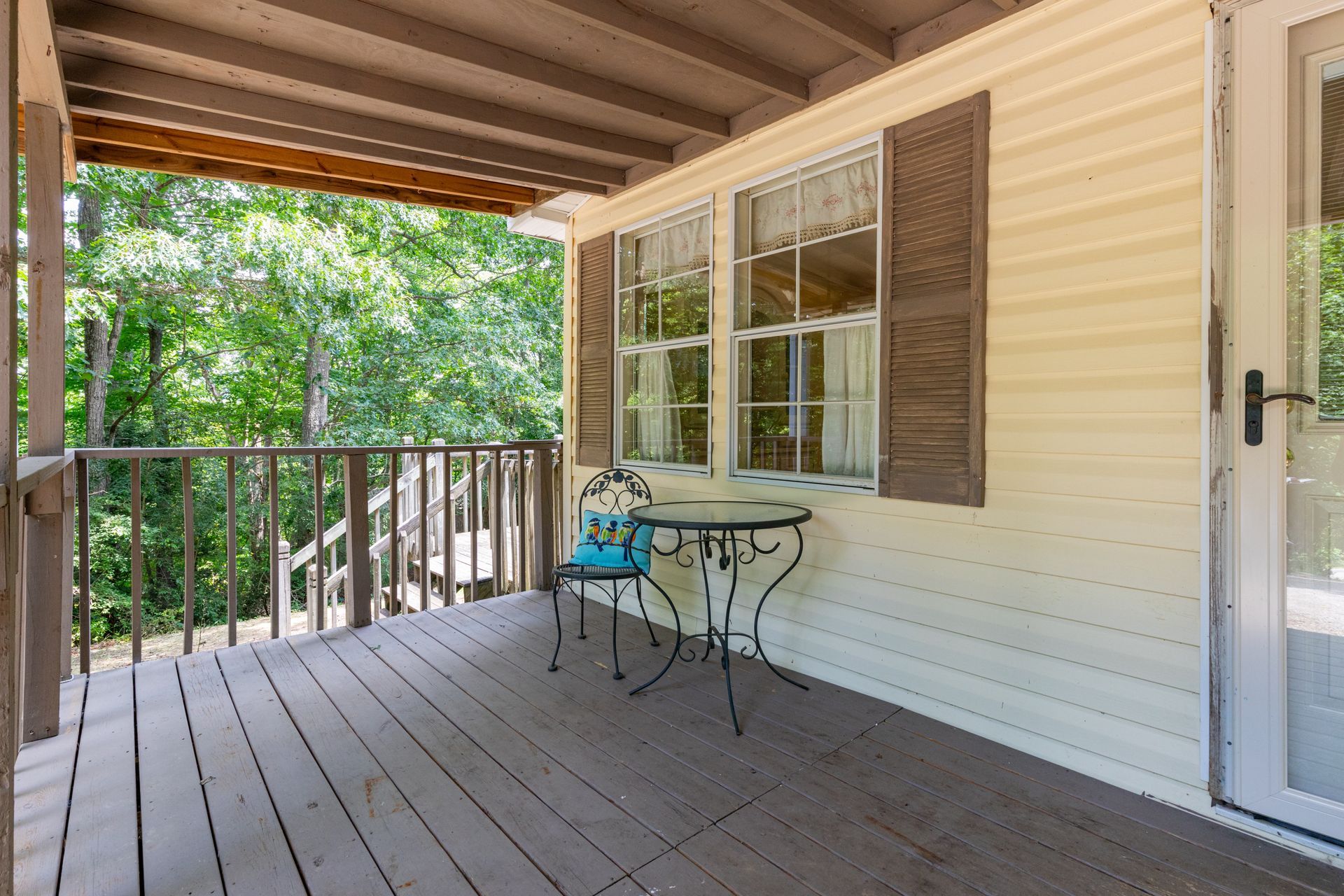
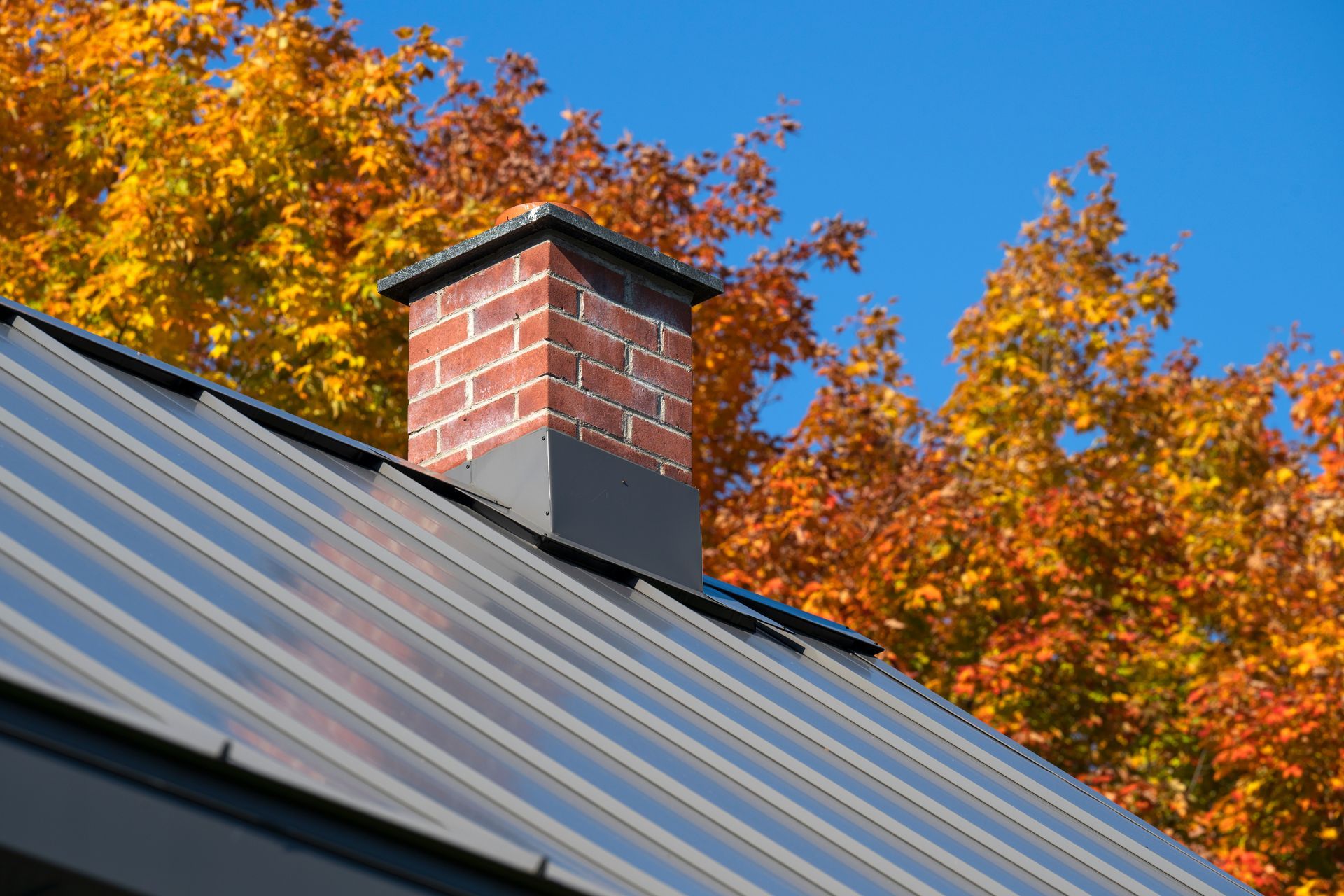
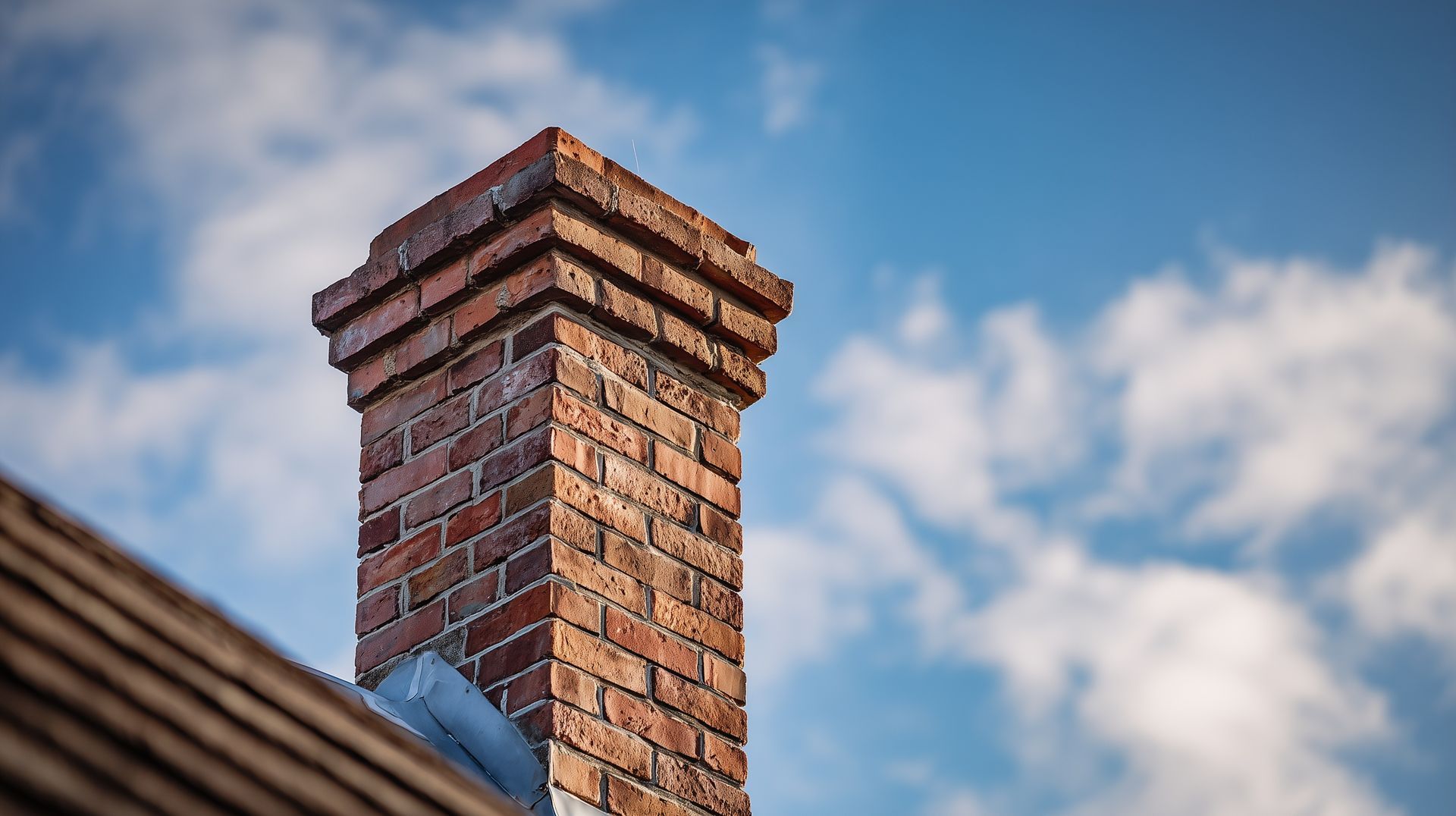
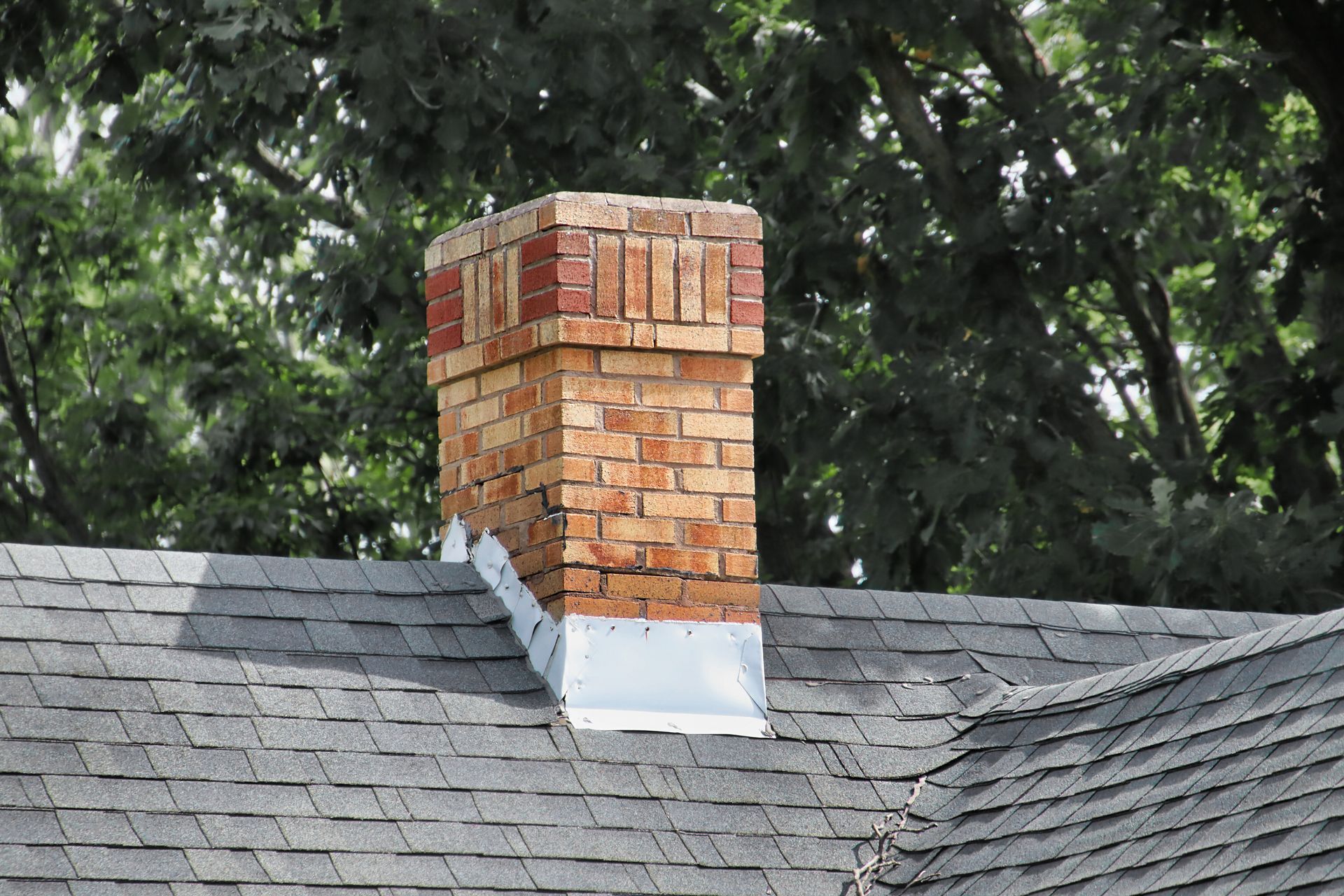
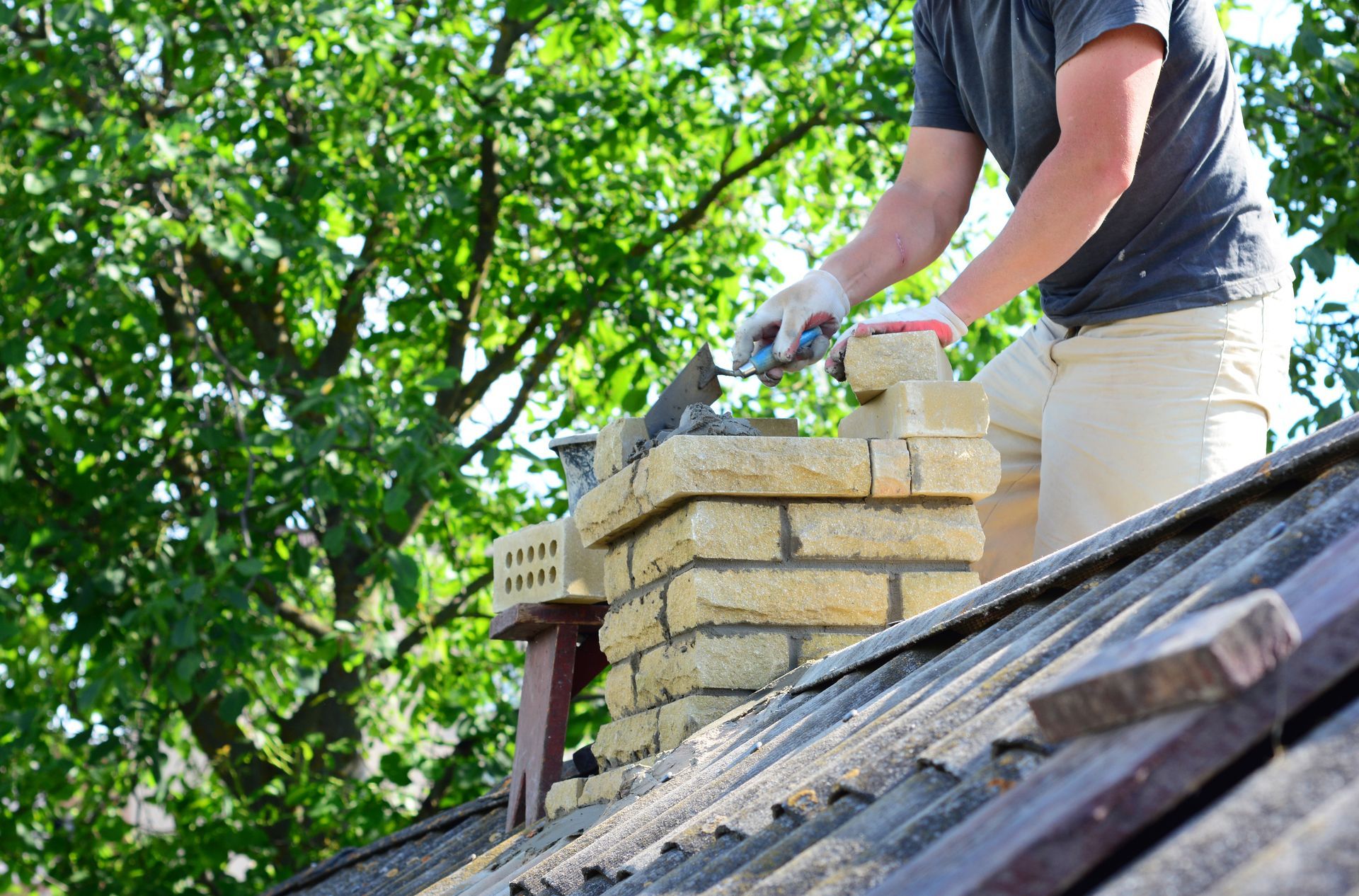
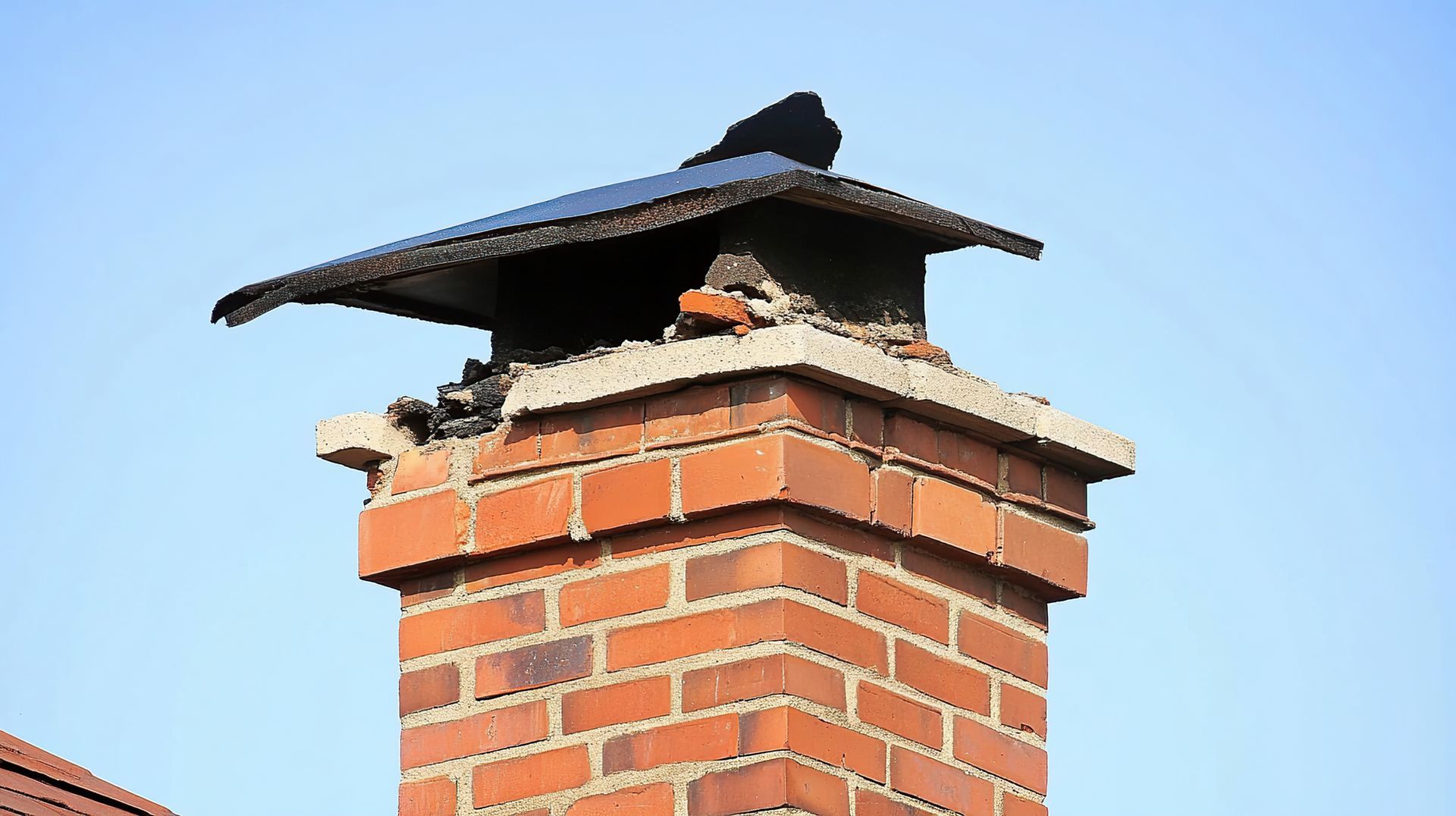
The contrast is a West Bloomfield porch we took on where patching was no longer an option. The structure had failed to the point that the entire porch came out to the foundation and was rebuilt from the ground up, with a new compacted base, block and brick walls, a poured top, and new supports. Same underlying cause, water and time, but a very different bill. Chimneys follow the identical pattern: a few open joints that would have needed repointing become, ignored long enough, a rebuild from the roofline up.
Why a quick patch usually makes it worse
The instinct when a joint opens or a brick loosens is to seal or patch it, and that often accelerates the damage. Sealing over a joint that is already letting water in can trap moisture inside the wall, where it keeps freezing and expanding with nowhere to go. Patching with the wrong mortar, harder than the surrounding brick, forces the brick to take the stress and crack. A proper repair removes the failed material, corrects the cause, and uses matched materials, which is why a real repair holds and a quick patch tends to come back worse.
The signs that mean act now, not next year
White staining on the brick, mortar you can scrape out with a key, brick faces that are flaking or chipping, steps or porch corners that have started to separate, and any water showing up inside near a chimney or exterior wall. None of these are emergencies on the day you notice them. All of them get more expensive the longer they sit.
The economics are simple
A repointing or a brick replacement caught early is a fraction of the rebuild it prevents. If you are seeing any of the signs above, the cheapest thing you can do is have it looked at while it is still a repair. Call Brickheads Masonry at
586-709-2365 or request a free estimate, and we will tell you honestly whether you are looking at maintenance or a rebuild.