Commercial Masonry: What Property Managers and Condo Boards Should Know
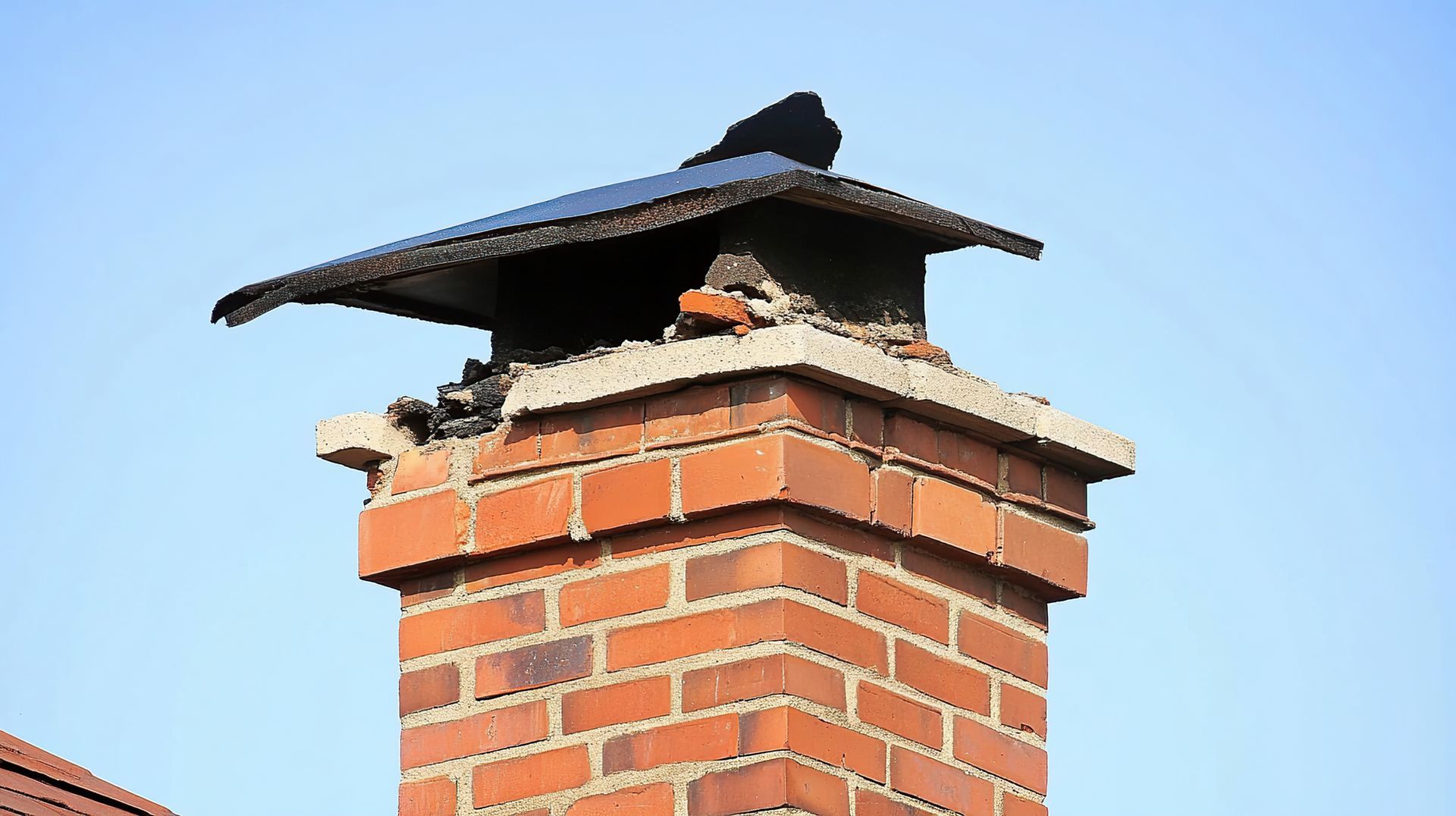
For a property manager or condo board, masonry is rarely the first thing on the list until it becomes a liability. A cracked step at an entrance, a lintel rusting above a doorway, or spalling brick on an exposed elevation is both a safety exposure and a repair that gets more expensive every season it waits. Here is what to watch for on multi-family and commercial properties, and how to keep masonry from turning into an emergency line item.
The failures that create liability
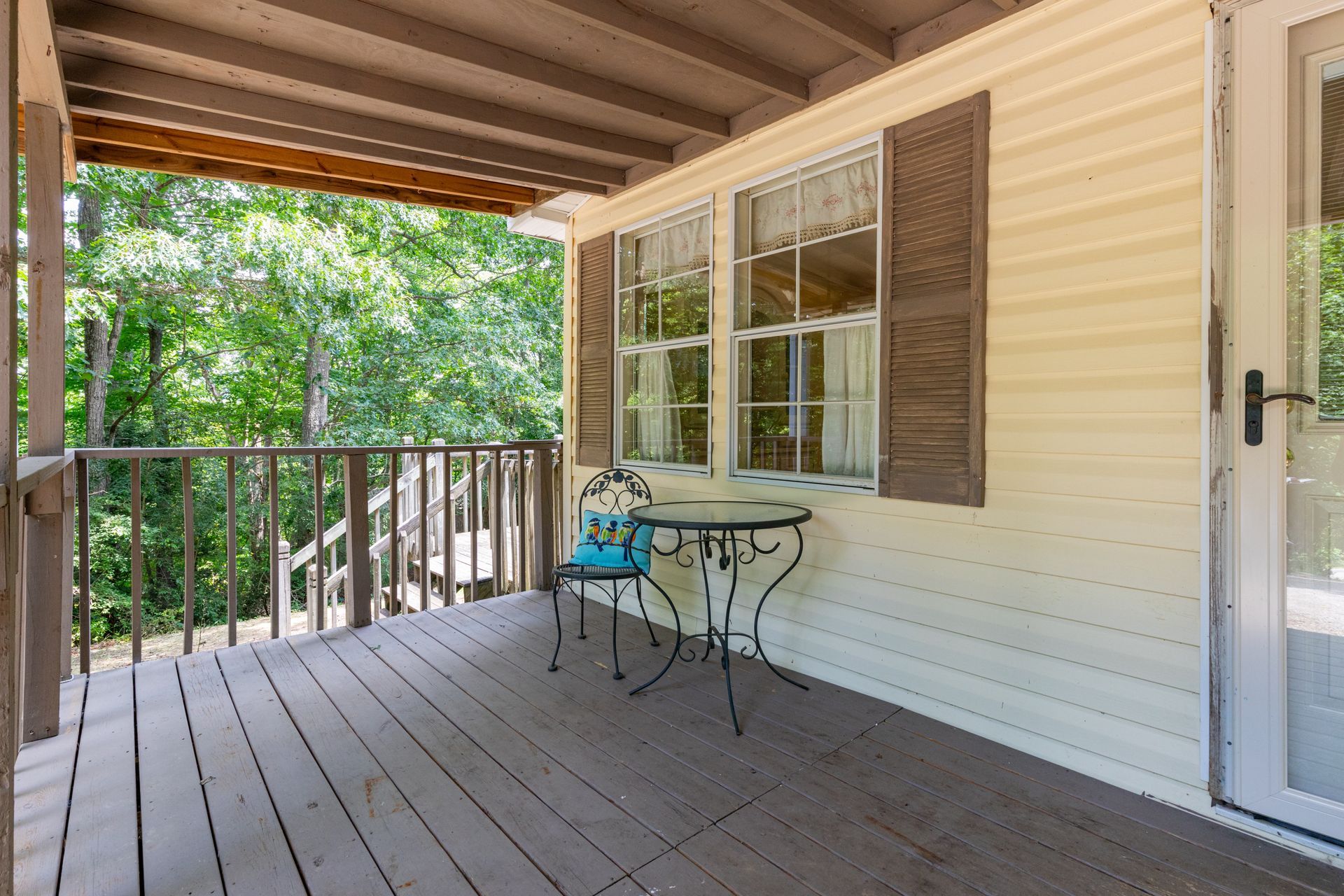
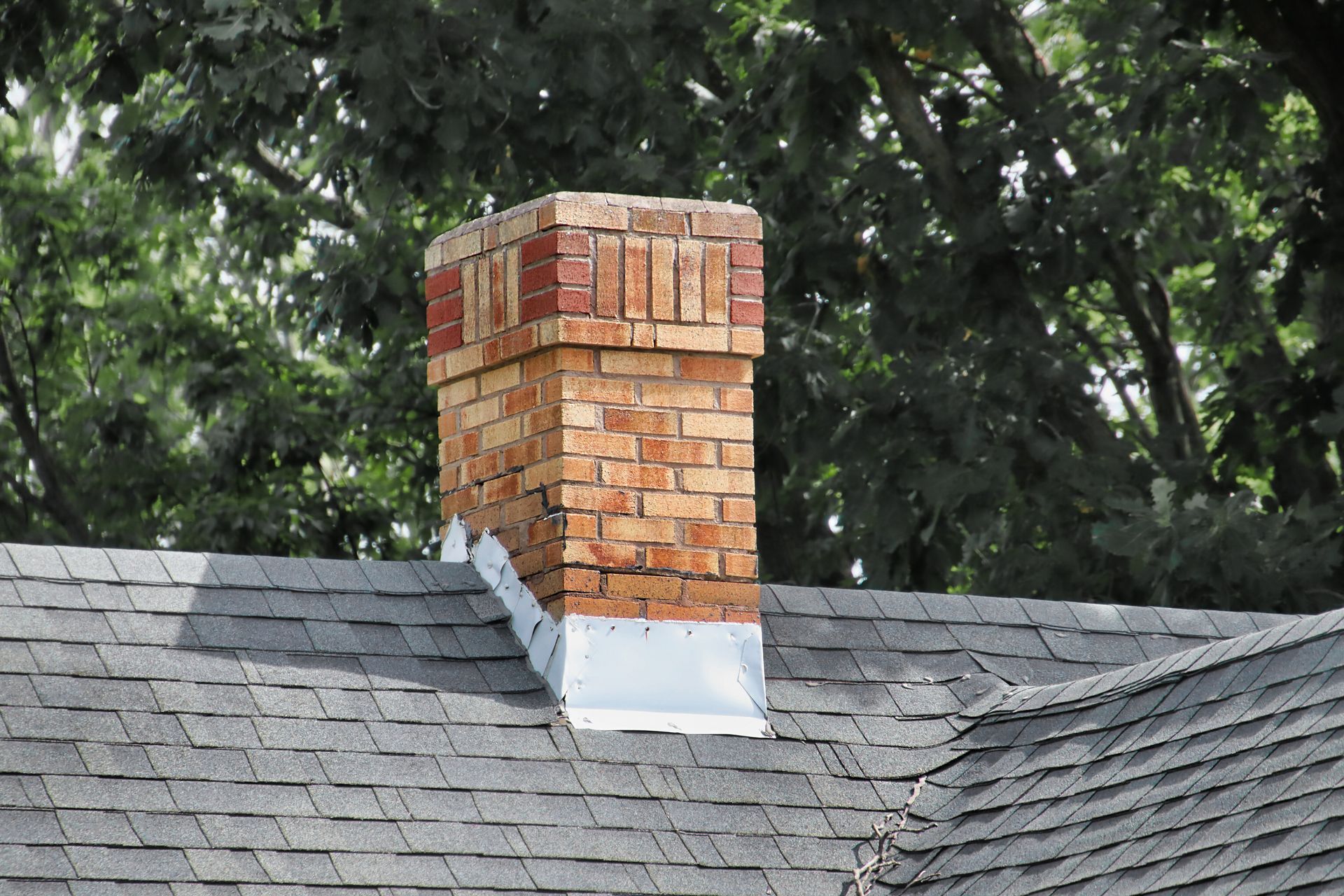
On apartment and condominium properties, the same masonry problems repeat across the portfolio. Steps and porches at entrances deteriorate and become trip hazards. Steel lintels above doors and windows rust and expand, which cracks and displaces the brick above the opening. Mortar joints stop keeping water out, and the water damage spreads behind the wall where nobody sees it until a repair becomes a rebuild. Catching these on a schedule rather than after a complaint is the difference between a planned budget item and an emergency.
Repair the cause, and only what has failed
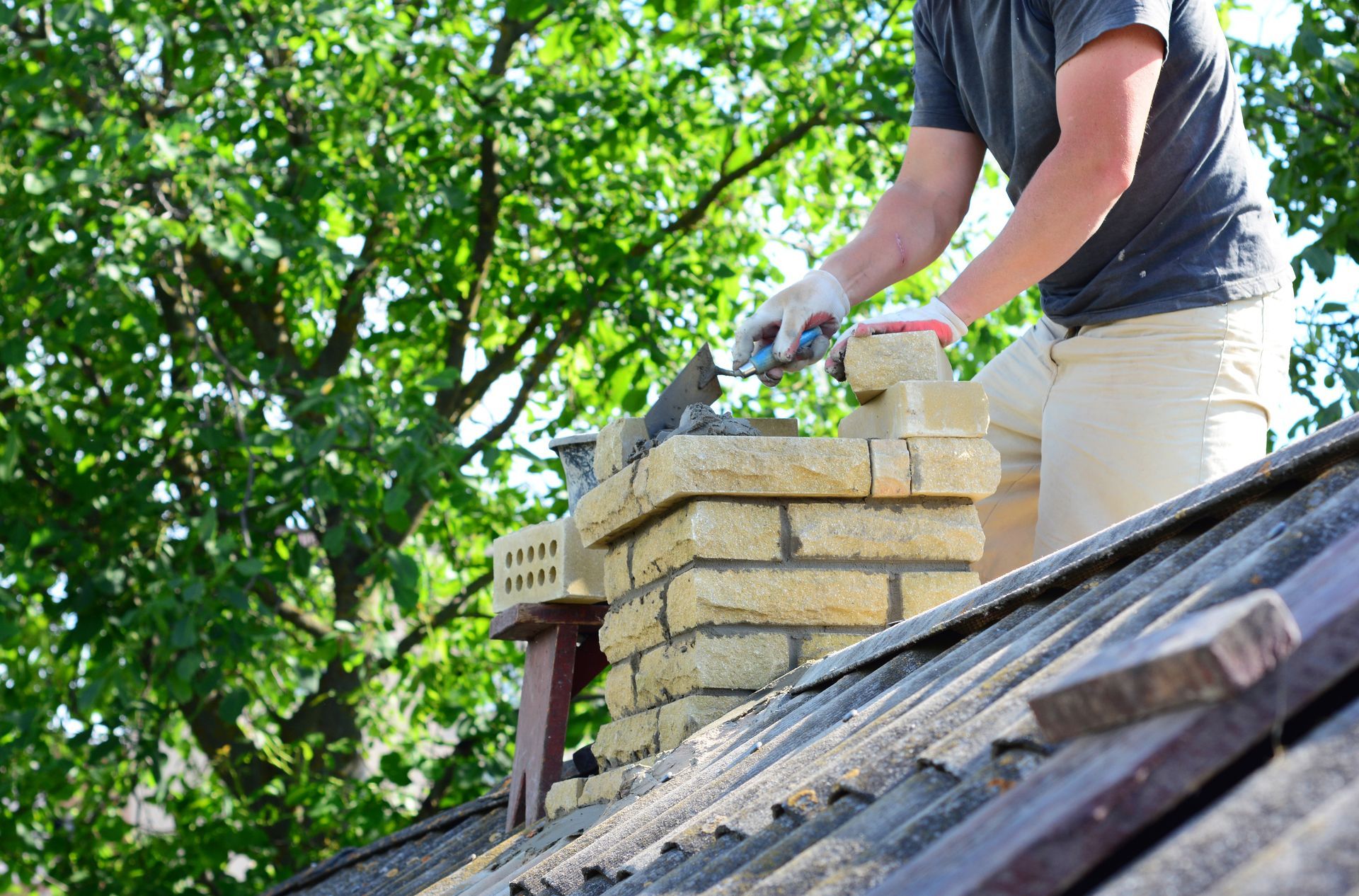
Good commercial masonry work controls cost by being selective. When only part of a wall or enclosure has failed, individual brick replacement and localized lintel repair or replacement fix the problem without rebuilding sound sections. The goal is to correct the cause, usually water and failed mortar, so the same repair does not reappear on next year's budget.
Commercial work is a different scale, and it shows
Commercial masonry is not just larger residential work. On a recent Detroit storefront project, a client wanted two aging storefronts combined into one. We stripped two layers of failing cladding down to the raw block, installed water barriers and metal lath, scratch-coated the walls, and faced the entire frontage in glazed thin brick. That is a full building-envelope job with waterproofing and structure underneath the finish, and it needs a contractor equipped for commercial-scale work. Our commercial masonry and concrete services and industrial work cover apartment, condominium, retail, and industrial properties.
What to expect from a commercial masonry contractor
Property managers need three things that residential jobs do not always require: work phased so tenants can stay in their units safely, one point of contact from inspection through completion, and a written proposal off an on-site evaluation rather than a phone estimate. A contractor should also carry the license and insurance for commercial-scale work, which for us is Michigan Builder's License #262200027, and use its own crew rather than rotating subcontractors through an occupied building.
Building masonry into the reserve plan
The properties that avoid emergency masonry spending treat it like any other capital item. Steps, porches, lintels, and facade brick have a service life, and a board that has them inspected on a cycle can schedule repairs in the off-season, bid them properly, and spread them across budget years instead of reacting to a failure in the middle of winter. A short annual walk of entrances, exposed elevations, and any masonry over a walkway is usually enough to catch the problems worth acting on before they escalate.
Getting ahead of it
The properties that spend the least on masonry over time are the ones that inspect on a schedule and repair small problems before water gets behind the wall. If you manage a property in Macomb or Oakland County and have not had the masonry evaluated recently, that is the cheapest step you can take. Call Brickheads Masonry at
586-709-2365 or request a proposal, and we will inspect the property and give you a clear, phased plan.